
Claim Your $1,000 Veteran Discount!


Flat Roofing
Reliable Solutions For Low-Slope Roofs
Specialized Flat Roofing Service for Residential Properties In Spring, TX
Flat and low-slope roofs require a different approach than traditional pitched roofing systems. Without proper drainage and sealing, water can collect on the surface, leading to leaks, material breakdown, and long-term structural damage.
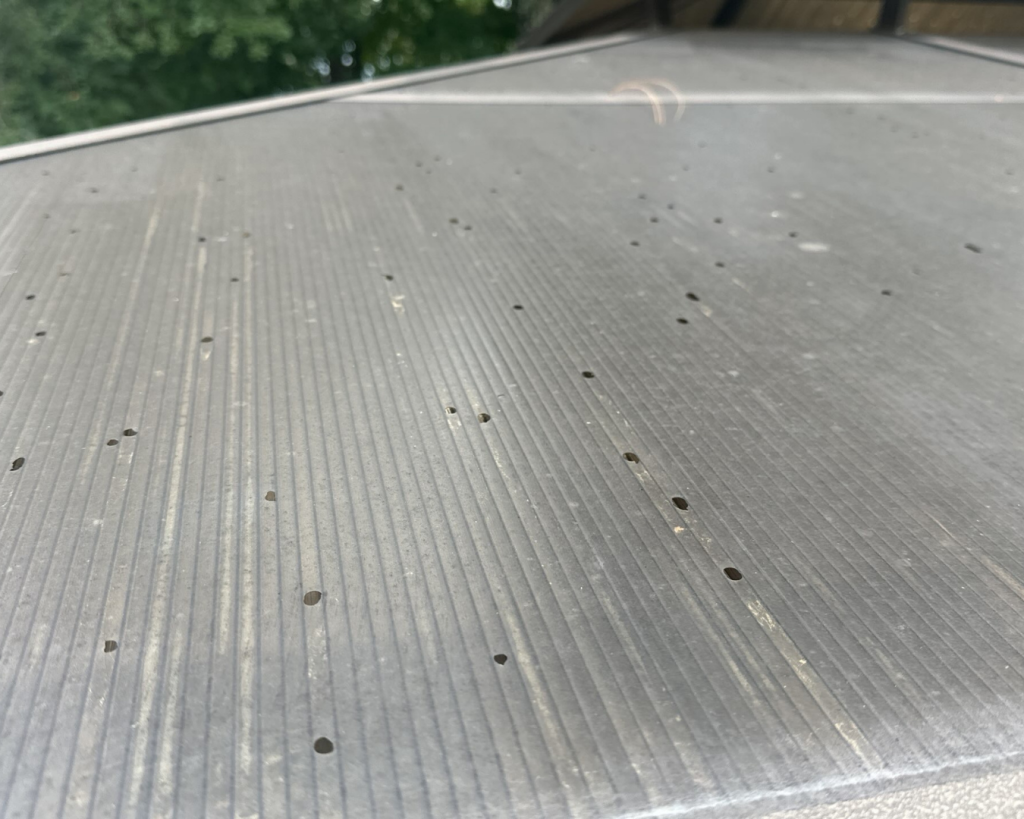
Many homeowners in Spring, TX, and the surrounding areas experience recurring issues with flat roofs because they are not designed or installed correctly. Ponding water, cracked membranes, and poor drainage are common problems that can worsen over time if not addressed properly.
At Hauk Roofing, we provide specialized flat roofing solutions for residential properties in Spring, TX, with a focus on durability, drainage, and long-term performance. We assess the entire system to identify weak points and install solutions that help water flow properly while protecting the structure beneath.
Whether you need repair, replacement, or a new installation, we deliver flat roofing systems designed to perform in Texas weather conditions.
Fix Flat Roof Issues Early
Schedule a free inspection and get flat roofing solutions that prevent water buildup and long-term damage.
Flat Roofing Systems Built For Proper Drainage
Prevent Water Buildup and Surface Damage
We provide flat roofing services in Spring, TX, and the surrounding areas for properties that don’t have a steep slope, such as patios, garages, and home additions. These sections require a different approach than standard roofing, so we install systems using materials like modified bitumen and other low-slope membranes designed to stay watertight even when water drains slowly.
A flat roof installation is all about controlling water. We build each system to create a continuous, sealed surface that prevents moisture from getting in. Special attention is given to seams, edges, and flashing details, since those are the areas most likely to fail over time. As a full-service flat roofing contractor, we also address drainage to reduce standing water, which can shorten the life of the roof if not handled properly.
Installation is done with precision from the base up. We make sure the substrate is properly prepared and that the membrane is applied and sealed correctly across the entire surface. The materials we use are selected to handle heat, UV exposure, and weather conditions common in Texas, so the system holds up over time.
Flat roof sections require the right materials and installation methods. Traditional shingles are not designed for low-slope areas and can allow water to work underneath. A properly installed flat roofing system protects these vulnerable sections and keeps the entire home sealed and structurally sound. Contact us today to upgrade your roofing with a flat roof replacement.
Our service includes:
- Low-Slope Roofing Solutions: We install roofing systems specifically designed for flat and low-slope areas, where traditional materials would fail. These systems are built to stay sealed and perform under slow-draining conditions.
- Drainage Optimization: We address slope, flow, and water movement to reduce ponding and prevent long-term damage. Proper drainage is critical to extending the life of a flat roof.
- Durable Roofing Materials: We use materials designed to handle heat, UV exposure, and standing water. This ensures your flat roof holds up over time without breaking down prematurely.
- Repair and Replacement Options: We evaluate the condition of your roof and recommend the right solution, whether that’s targeted repairs or a full replacement. The goal is to fix the problem correctly based on what the roof actually needs.
A Structured Approach To Flat Roofing
- Roof Evaluation And Drainage Assessment
We inspect the roof to identify drainage issues, damage, and material condition. - Problem Identification
We locate areas where water is pooling or where the membrane is compromised. - Solution Planning
We develop a plan that may include repair, resurfacing, or full replacement. - Material Installation Or Repair
We install or repair roofing materials designed for flat and low-slope systems. - Drainage Improvement
We address slope and drainage concerns to improve water flow. - Final Inspection And Cleanup
We verify the system is functioning properly and leave your property clean.
Benefits Of Low-Slope, Flat Roofing Systems
- Improved Water Management: Proper drainage reduces the risk of ponding and water-related damage.
- Durable Surface Protection: Flat roofing materials are designed to handle exposure to sun and weather.
- Efficient Use Of Space: Flat roofs can be used for additional features like equipment or storage areas.
- Simplified Maintenance Access: Flat surfaces are easier to access for inspections and maintenance.
- Long-Term Performance: Proper installation helps extend the life of your flat roofing system.
Frequently Asked Questions
-
A flat roof typically has a very low slope rather than being completely level. This slight slope allows water to drain, but proper design is needed to prevent pooling.
-
Leaks often occur due to ponding water, cracks in the membrane, or poor installation. Without proper drainage and sealing, water can sit on the surface and cause damage over time.
-
The lifespan depends on the materials used and maintenance. Many flat roofing systems last 15 to 30 years with proper care and regular inspections.
-
Minor damage can often be repaired, but widespread issues or aging materials may require full replacement. We provide recommendations based on the condition of your roof.
-
Common materials include modified bitumen, TPO, and other membrane systems designed for low-slope applications.
-
Proper installation includes creating a slight slope and ensuring drainage systems are in place to direct water off the roof.
-
Yes, flat roofing is commonly used on certain residential designs and additions, especially modern homes or structures with low slopes.
-
Flat roofs should be inspected at least once a year and after major storms to catch drainage or surface issues early.