



-
 Hail Damage Roof Repair
-
 0 Comments
Expert Guide to Hail Damage Roof Repair: Protect Your Home Today
Roof Inspection Tip: Spotting Granule Loss After a Storm
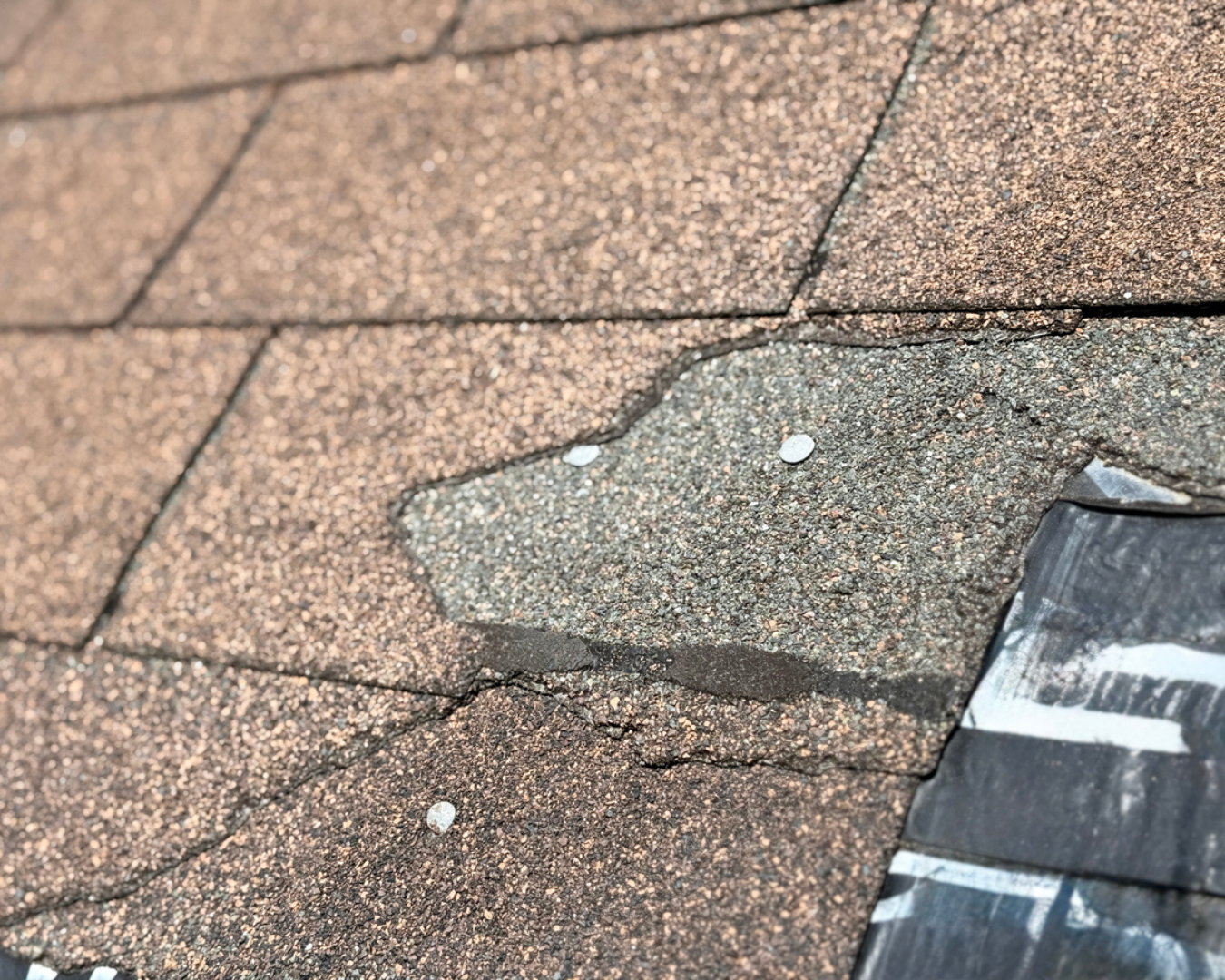
One of the earliest signs of hail impact is granule displacement. These ceramic-coated granules protect the asphalt layer from UV degradation, and when hail strikes your roof, it knocks them loose. Identifying granule loss early can help you determine whether you need hail damage roof repair before water penetrates the decking. You will often find dark patches where the underlying asphalt shows through, or notice excessive granules collecting in your gutters and downspouts after a storm.
In the Greater Houston area, summer storms can deliver hail ranging from pea-sized to golf ball-sized, and even smaller hail can strip granules if the impact angle is steep. Check your downspouts within 24 hours of any hailstorm; if you see a gritty, sand-like accumulation that looks like coarse black pepper mixed with colored grains, that is a clear indicator your shingles took a hit.
The pattern of granule loss matters as much as the volume. Normal wear over the years produces a gradual, even loss across the entire roof surface, and you will see a light, steady trickle of granules in your gutters during routine cleaning. Storm-related granule loss, by contrast, appears suddenly and concentrates in specific areas. After a hailstorm, you may notice bald spots clustered on the north-facing slope, which takes the brunt of spring storms driven by southerly winds common to the North Houston metro.
To assess the extent of granule damage, take a close look at the exposed asphalt. Fresh granule loss reveals a black or dark gray underlayer that feels slightly tacky to the touch in warm weather. Older granule loss will show a weathered, lighter gray surface that has already started to oxidize. If you find multiple areas of fresh granule displacement, especially on the windward side of your roof, it is time to schedule a professional roof inspection service to document the full scope of damage before filing an insurance claim.
Do not dismiss granule loss as purely cosmetic. Those granules are your roof’s first line of defense against the sun’s UV rays, which break down asphalt and accelerate aging. A roof that loses significant granule coverage after a hail event may age two to three times faster than an intact roof, shortening its lifespan by years. During the humid Texas summers, exposed asphalt also becomes more vulnerable to algae and moss growth, which can further degrade shingle integrity.
When you inspect your gutters, pay special attention to the color of the granules you find. Most asphalt shingles use granules that match the shingle color, so if your roof is a medium brown and you are finding tan or gray granules in large quantities, that indicates recent impact damage rather than routine shedding. Take a photo of the gutter contents with a ruler or coin for scale; this documentation will be useful when you file your claim or consult with a roofing contractor about hail damage roof repair options.
Bruised Shingles: A Common Sign of Hail Damage Roof Repair Needs
Hail does not always puncture a shingle outright. More often, it leaves bruises that compromise the integrity of the mat beneath the surface. A professional roof inspection service can identify bruised shingles that homeowners miss, preventing the need for costly hail damage roof repair down the line. These bruises appear as small, dark circles or soft spots that feel slightly depressed when you press on them. Unlike a simple cosmetic mark, a bruised shingle has fractured fiberglass or organic mat, which means it will fail prematurely and allow water infiltration long before the rest of your roof reaches end-of-life.
From ground level, bruising is nearly impossible to spot, which is why many homeowners in Spring and the surrounding areas discover the damage only after a leak appears in the attic or ceiling. During your inspection, look for random dark spots, especially on south and west-facing slopes where hail typically impacts at higher velocity due to prevailing wind patterns in North Houston.
Bruising becomes more obvious when you know what to look for. Climb onto the roof if it is safe to do so, or use binoculars from the ground to examine individual shingles. A bruised area will often show a slight indentation, and if you gently press on it with your thumb, it may feel softer or spongier than the surrounding shingle surface. The color change occurs because the impact fractures the asphalt and fiberglass layers, allowing moisture to seep in and darken the material.
The timing of your inspection matters. Bruises are easiest to identify within the first few weeks after a storm, before the shingle has had time to fully dry out or before additional weathering obscures the damage. In the high heat and humidity of a Texas summer, bruised shingles can appear to heal as the surface dries, but the underlying structural damage remains. That hidden weakness will reveal itself during the next heavy rain, when water finds its way through the fractured mat and into your attic.
If you find bruising on multiple shingles, it is a strong indicator that your entire roof sustained impact damage and may need a full roof leak detection assessment. Insurance adjusters look for a specific density of bruising per square, the roofing term for a 10-by-10-foot section, to determine whether the damage qualifies for a full replacement or only spot repairs. Documenting the number and location of bruised shingles gives you leverage during the claims process and ensures you receive the coverage you are entitled to under your policy.
Bruised Shingles: A Common Sign of Hail Damage Roof Repair Needs
Hail does not always puncture a shingle outright. More often, it leaves bruises that compromise the integrity of the mat beneath the surface. A professional roof inspection service can identify bruised shingles that homeowners miss, preventing the need for costly hail damage roof repair down the line. These bruises appear as small, dark circles or soft spots that feel slightly depressed when you press on them. Unlike a simple cosmetic mark, a bruised shingle has fractured fiberglass or organic mat, which means it will fail prematurely and allow water infiltration long before the rest of your roof reaches end-of-life.
From ground level, bruising is nearly impossible to spot, which is why many homeowners in Spring and the surrounding areas discover the damage only after a leak appears in the attic or ceiling. During your inspection, look for random dark spots, especially on south and west-facing slopes where hail typically impacts at higher velocity due to prevailing wind patterns in North Houston.
Bruising becomes more obvious when you know what to look for. Climb onto the roof if it is safe to do so, or use binoculars from the ground to examine individual shingles. A bruised area will often show a slight indentation, and if you gently press on it with your thumb, it may feel softer or spongier than the surrounding shingle surface. The color change occurs because the impact fractures the asphalt and fiberglass layers, allowing moisture to seep in and darken the material.
The timing of your inspection matters. Bruises are easiest to identify within the first few weeks after a storm, before the shingle has had time to fully dry out or before additional weathering obscures the damage. In the high heat and humidity of a Texas summer, bruised shingles can appear to heal as the surface dries, but the underlying structural damage remains. That hidden weakness will reveal itself during the next heavy rain, when water finds its way through the fractured mat and into your attic.
If you find bruising on multiple shingles, it is a strong indicator that your entire roof sustained impact damage and may need a full roof leak detection assessment. Insurance adjusters look for a specific density of bruising per square, the roofing term for a 10-by-10-foot section, to determine whether the damage qualifies for a full replacement or only spot repairs. Documenting the number and location of bruised shingles gives you leverage during the claims process and ensures you receive the coverage you are entitled to under your policy.
Cracked Shingles: When to Schedule a Roof Repair Service
Larger hailstones or multiple impacts in the same area can crack shingles outright, creating linear fractures that run parallel or perpendicular to the shingle tabs. Cracked shingles are one of the most common indicators that you will need hail damage roof repair, and documenting them promptly is critical for filing an insurance claim. These cracks may start small, but thermal expansion and contraction during Texas heat cycles will widen them rapidly. Once a crack extends through the full thickness of the shingle, water can travel beneath the surface and saturate the underlayment and decking.
Cracked shingles are especially common on older roofs where the asphalt has already lost flexibility due to years of sun exposure. If your roof is more than ten years old and you experienced a recent hailstorm, prioritize a professional roof inspection service to document any fractures before they turn into active leaks. Insurance carriers often require photographic evidence taken within a specific window after the storm date, so timing matters.
Not all cracks are created equal. Impact-related cracks from hail tend to be random and scattered across the roof surface, whereas thermal cracking from age and UV exposure usually runs in a more uniform pattern, often following the grain of the shingle mat. Hail cracks also tend to be shorter and more localized, radiating outward from the point of impact. If you see a cluster of short, irregular cracks on one section of your roof, particularly after a recent storm, that pattern strongly suggests hail damage rather than normal wear.
When inspecting for cracks, pay close attention to the shingle edges and corners, where the material is thinnest and most vulnerable. A crack that starts at the edge and runs toward the center of the shingle is more likely to allow water infiltration than a crack confined to the middle of a tab. Edge cracks also indicate that the shingle has lost its seal, which means wind-driven rain can more easily work its way under the shingle and into the roof deck.
Photograph each cracked shingle you find, making sure to capture the full context of the damage. Include a reference object like a quarter or a measuring tape in the frame so the adjuster can gauge the size of the crack. Take wide shots that show the location of the damage relative to roof features like vents, chimneys, or valleys, and close-ups that clearly show the fracture line. This level of documentation not only strengthens your claim but also helps your roofing contractor develop an accurate scope of work for the necessary storm damage roof restoration.
Flashing and Vent Damage: Hidden Roof Repair Needs After Hail
Metal components like flashing, ridge vents, and plumbing boot collars are highly susceptible to hail dents. Flashing and vent damage are often overlooked during a hail damage roof repair assessment, but they are critical to preventing long-term water intrusion. A dented flashing may not leak immediately, but the impact can break the sealant bond or create a low spot where water pools. Over time, standing water corrodes the metal and works its way under the shingles, leading to hidden rot in the decking and framing.
Inspect all roof penetrations after a storm. Look for dents, dings, or creases in the metal, and check the caulk lines around vent pipes and chimney flashing for cracks or separation. In the Greater Katy area and throughout Harris County, many homes have painted metal vents that show hail damage as small chips or flakes in the finish. Even minor cosmetic damage can signal a compromised seal underneath.
Ridge vents, which run along the peak of your roof to allow attic ventilation, are particularly vulnerable because they sit at the highest and most exposed point of the structure. A direct hail hit can dent the metal cap, crack the plastic louvers, or knock the vent out of alignment. If your ridge vent shows visible damage, there is a good chance the surrounding shingles also took hits, even if the damage is not immediately obvious from the ground.
Chimney flashing is another high-risk area. Most chimney installations use step flashing, a series of L-shaped metal pieces that weave between the shingles and the chimney masonry. Hail can dent these pieces, bend them out of position, or crack the sealant that holds them in place. Because chimney flashing is often hidden under shingles or tucked into mortar joints, damage here goes unnoticed until water starts staining the ceiling near the chimney or dripping down the interior chimney wall.
Plumbing boot collars, the rubber or metal sleeves that seal around vent pipes, are equally vulnerable. A hail impact can tear the rubber, crack brittle neoprene, or dent the metal collar, creating an immediate leak path. In the intense heat of a Texas summer, rubber boot collars age quickly even without storm damage, so a hail-damaged boot may fail within months rather than years. During your inspection, look for torn or cracked rubber, loose collars, or any separation between the boot and the vent pipe.
Documenting flashing and vent damage is just as important as documenting shingle damage. Take clear photos of each dent, crack, or displaced piece of metal, and note the location on a simple roof diagram. Many insurance adjusters will approve coverage for metal components if they show hail impacts, especially if the damage is consistent with the shingle damage found elsewhere on the roof. This documentation also gives your roof repair service contractor a complete picture of what needs replacement, ensuring nothing gets missed during the restoration process.
Gutter Damage as Evidence for Your Hail Damage Roof Repair Claim
Gutters and downspouts act as your roof’s first line of defense against water intrusion, and hail can compromise their function in multiple ways. While gutter dents may seem minor, they provide critical evidence that your roof sustained hail impacts and may need hail damage roof repair, strengthening your insurance claim documentation. Dents in the gutter trough disrupt water flow, creating standing pools that overflow during heavy rain. Dents in downspouts can restrict drainage, causing backups that force water under the roof edge and into the fascia board.
Walk the perimeter of your home and look for dings along the top edge of the gutters, especially on sides that face the prevailing storm direction. If you see fresh dents in the gutters, it is a strong indicator that your roof took similar impacts. Many homeowners in Spring overlook gutter damage because it seems cosmetic, but it serves as corroborating evidence for your insurance claim and often qualifies for coverage under the same storm damage restoration policy that covers your roof repair service.
The distribution of gutter dents tells a story. If you find concentrated denting on the north and west gutters but little to no damage on the south and east sides, that pattern reflects the storm’s wind direction and helps confirm that the roof damage you are seeing is consistent with a single hail event. Insurance adjusters use this kind of corroborating evidence to validate claims and rule out pre-existing wear or damage from other causes.
Gutter dents also serve as a useful proxy for hail size. Small dents, typically less than half an inch in diameter, suggest pea to marble-sized hail. Dents measuring three-quarters of an inch to an inch across indicate quarter to golf ball-sized hail, which is large enough to cause significant shingle bruising and cracking. Measure a few representative dents with a ruler and photograph them with the measurement visible in the frame; this gives the adjuster a quick reference for the severity of the storm.
Do not forget to inspect downspouts and gutter guards if you have them installed. Downspout dents are often concentrated near the top, where the metal is most exposed, and a severely dented downspout can restrict water flow enough to cause gutter overflow during heavy rain. Gutter guards, especially metal mesh or perforated covers, can show hail dimples that are easier to spot than damage on the roof itself. If your gutter guards are dented, your shingles almost certainly took hits as well.
Finally, check for functional issues caused by the dents. A dented gutter may sag or pull away from the fascia board if the impact bent the mounting brackets or cracked the gutter seam. Standing water in a dented section can accelerate rust and corrosion, especially in older galvanized steel gutters. If you notice water pooling in a gutter section after a storm, or if you see rust stains forming around fresh dents, those are signs that the gutter system needs repair or replacement as part of your overall storm damage restoration plan.
